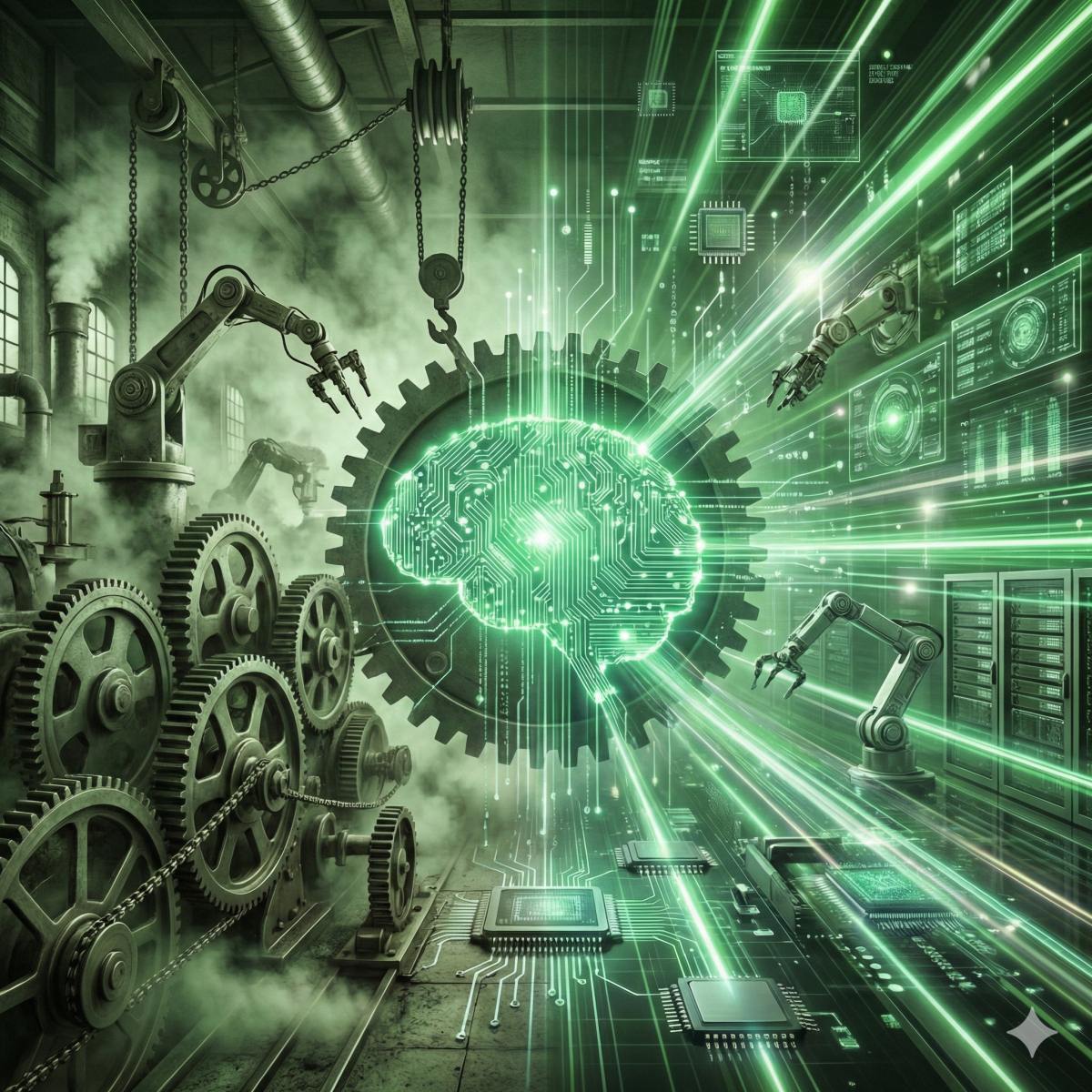

AI is not replacing people. It’s replacing friction.
Every major technological shift is first misunderstood. Steam engines were once seen as enemies of horses. Computers were feared as enemies of thinking. Today, AI is framed as an enemy of jobs.
But that framing misses the point.
AI isn’t here to replace people. It’s here to replace the kind of work people were never meant to do: repetitive, administrative, operational tasks that consume time without creating real value. Most modern jobs aren’t exhausting because they’re intellectually hard, but because they’re inefficient. People spend hours formatting reports, searching for documents, copying data between systems, analyzing massive volumes of information manually, and maintaining processes that could easily be automated.
That’s not meaningful work. That’s friction.
This is also why the generational shift matters. Much has been said about Gen Z being impatient, easily bored, or unwilling to “fight” for roles. But what’s often framed as laziness is more accurately a low tolerance for inefficiency. They’ve grown up with automation, personalization, and instant access. So when they enter organizations that still rely on outdated workflows and manual bureaucracy, the mismatch becomes obvious.
Why create a report manually if it can be automated? Why analyze thousands of PDFs by hand? Why move data between folders when systems can talk to each other? These questions aren’t rebellious, they’re rational.
Why AI shouldn’t be a tool anymore
Most AI today is sold as software: dashboards, interfaces, tools you “use.” That framing is already outdated.
NXTS treats AI as a role.
Instead of generic, one-size-fits-all systems, NXTS designs Process Agents—tailor-made AI employees that take over specific operational responsibilities inside a company. Not as general-purpose assistants, but as clearly defined functions embedded into the organization.
Think of them as your most reliable “boring” employees.
They don’t improvise.
They don’t forget.
They don’t burn out.
They execute.
This shift, from tools to roles, is what changes everything. Once AI becomes part of your operational structure instead of an optional interface, it stops being experimental and starts being useful.
What should AI actually do
For example:
A Reporting Agent can collect data, structure it according to company logic, and generate ready-to-use reports.
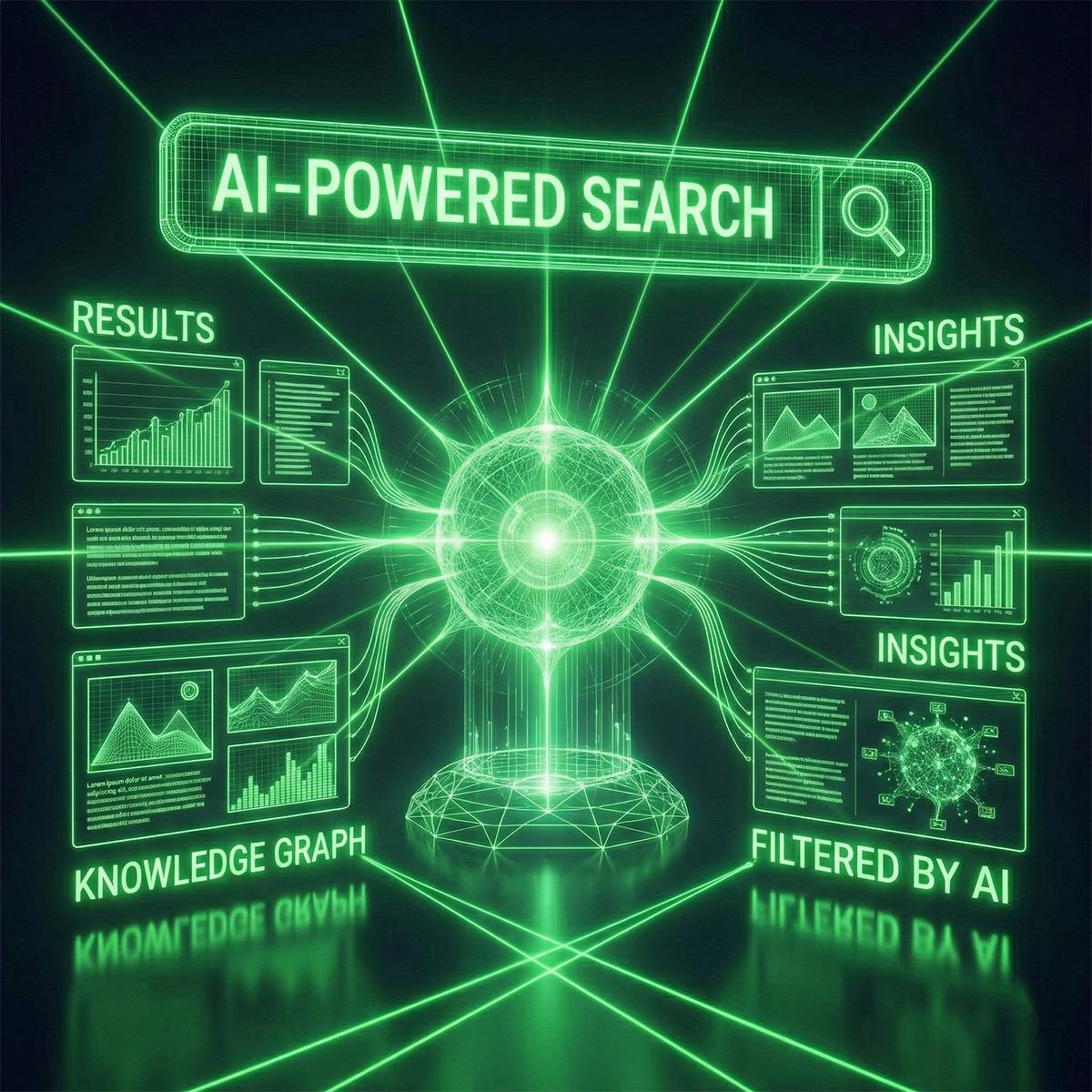
A Knowledge Agent can index internal documentation and retrieve answers based on company-specific truth, not public data.
A Workflow Agent can guide employees through processes, check compliance, and ensure nothing is skipped.
Each Process Agent is designed to fit a company’s ecosystem: its language, rules, tone, and logic. And when a custom-built solution isn’t necessary, NXTS also provides structured training and integrations that help teams use existing AI tools properly, without chaos or guesswork.
The idea is simple: remove grunt work so humans can focus on strategy, creativity, and judgment.
Software isn’t just software anymore. It can work. And once you stop thinking of AI as a tool and start thinking of it as an employee, the conversation changes. Productivity becomes a design question, not a pressure problem.
Scaling becomes a systems challenge, not a headcount one.
If you want to explore what it means to build AI roles instead of collecting AI tools, that’s where NXTS begins.