When search becomes reasoning, architecture matters
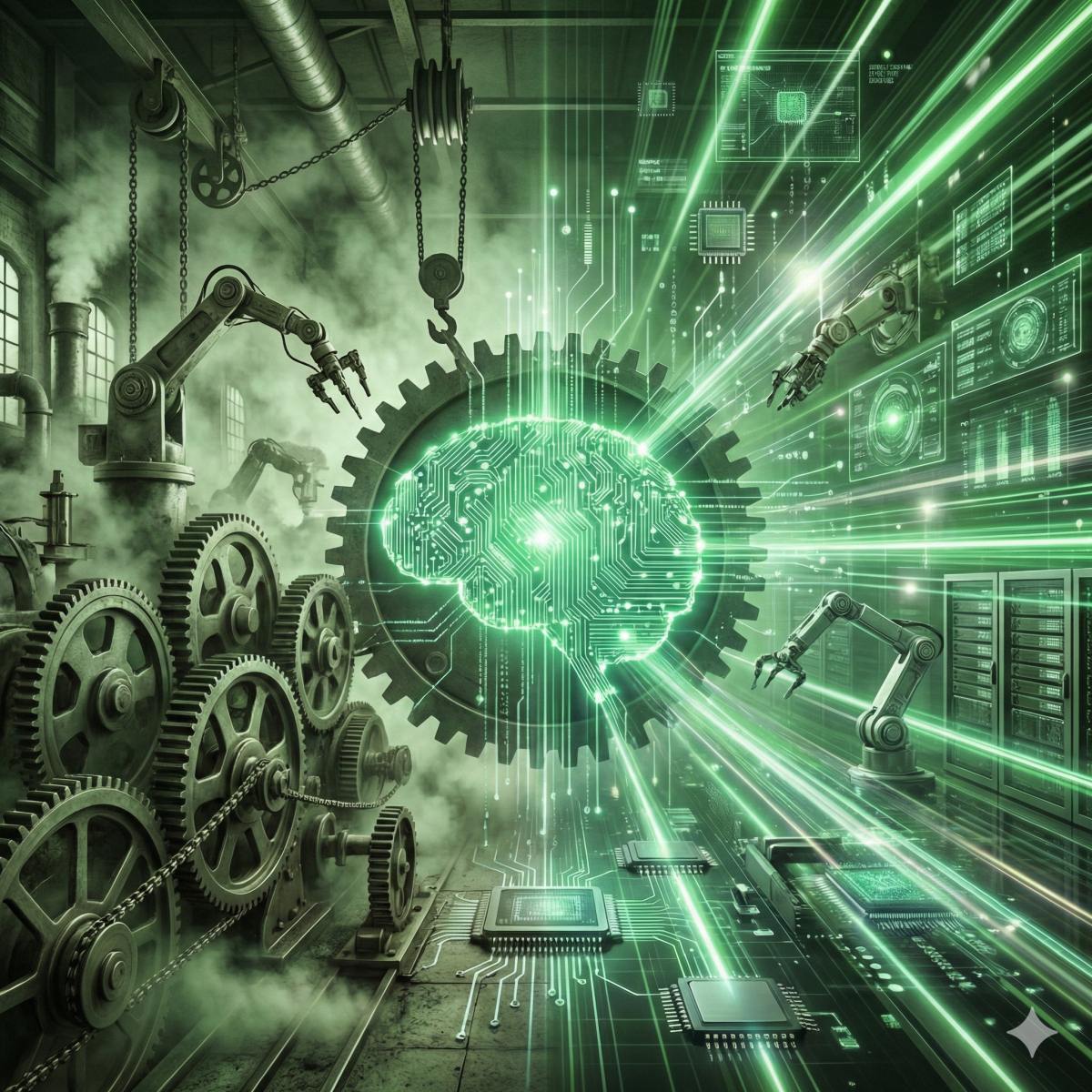
Search has quietly become one of the most disrupted areas of AI adoption. What used to be a simple mechanism for retrieving indexed links is now evolving into something far more powerful: a system that understands questions, reasons across sources, and synthesizes answers.
This isn’t a cosmetic change. It fundamentally alters how information is consumed, how decisions are made, and how digital systems should be designed.
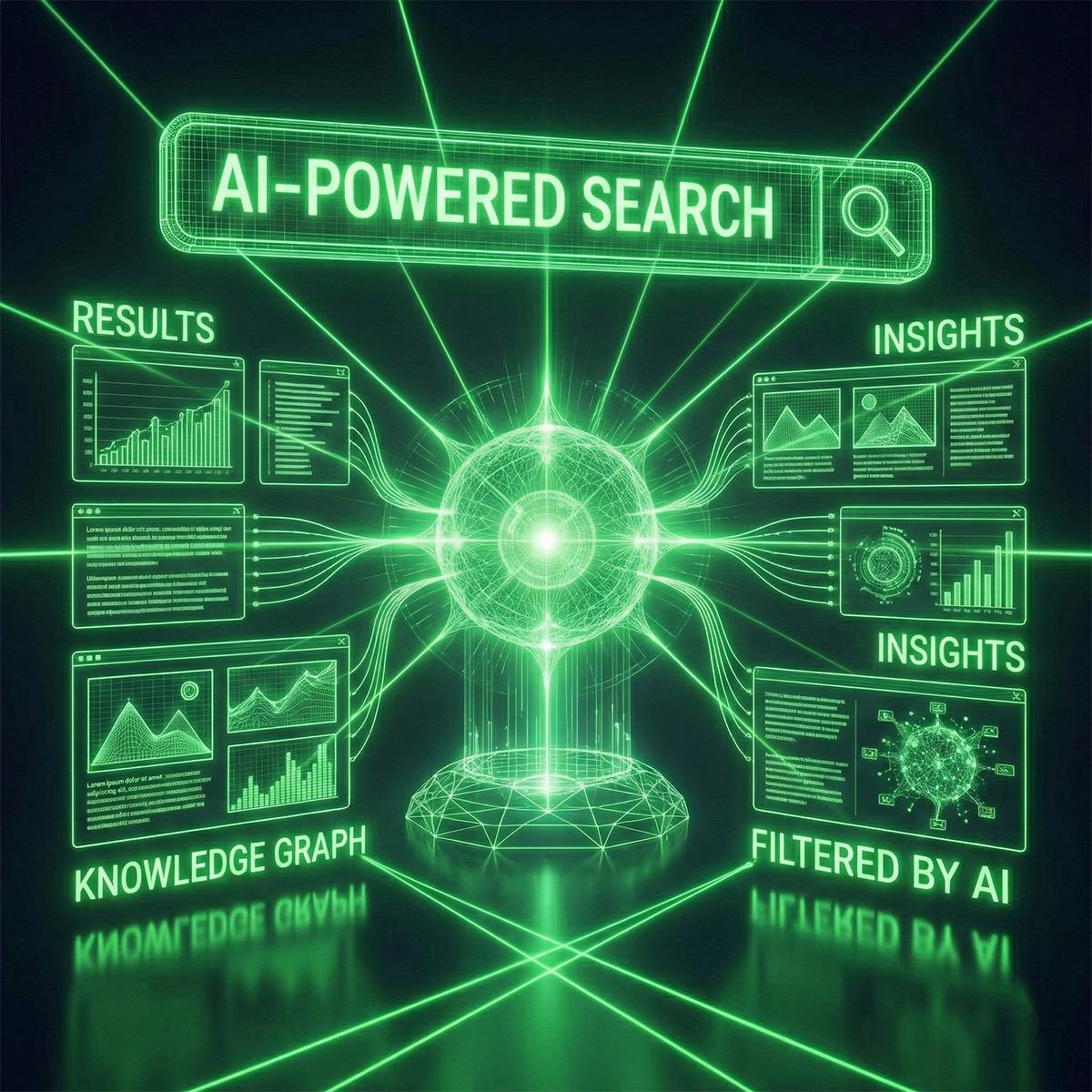
Traditional search was built around matching keywords to documents. That model made sense when content volumes were smaller and intent was simpler. Today, AI-powered search systems interpret meaning, summarize across sources, maintain context, and return structured responses instead of ranked lists.
The difference is subtle but important: search is no longer about finding information. It’s about understanding it.
Once search becomes interpretive rather than transactional, architecture starts to matter more than interfaces. Data alone isn’t enough. Systems need structure, consistency, and context. Without that, AI doesn’t fail - it guesses.
And guessing is not control.
The real productivity unlock is internal
This has major implications internally. Most organizations waste enormous amounts of time reconstructing knowledge, hunting for documents, repeating questions, and navigating fragmented systems. AI-powered internal search can already summarize histories, explain policies, surface dependencies, and retrieve answers across entire ecosystems.
This isn’t a convenience upgrade. It’s a structural one.
What we’re seeing is a category shift. Search is no longer a feature - it’s becoming an intelligence layer that sits across systems, not inside them. It touches governance, security, compliance, and knowledge management.
Companies that treat this as a UI problem will get incremental gains. Those that treat it as an infrastructure problem will get compounding ones.
The future of search isn’t about retrieving more data. It’s about reducing cognitive load.
And that changes everything.